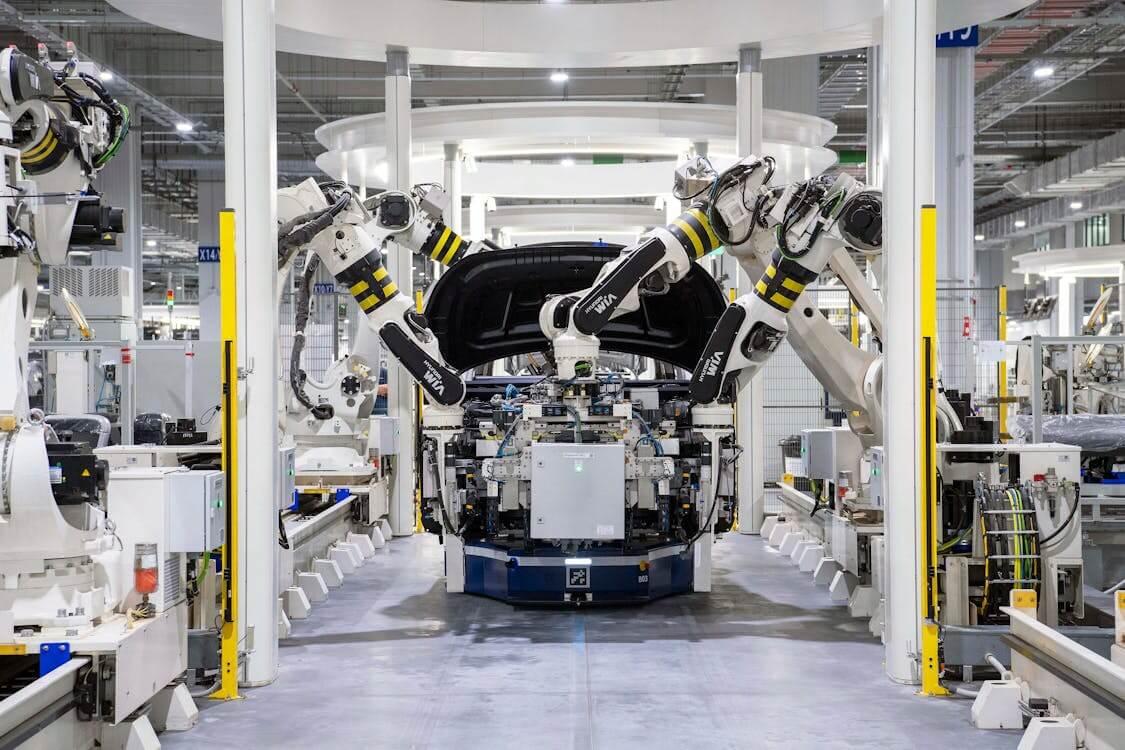

Machine safety
Machinery safety is a crucial aspect in industry and manufacturing that aims to protect workers from potential hazards when using machinery. By implementing the right safety measures, the risk of accidents and injuries can be reduced, which not only protects personnel but also contributes to more efficient and reliable production processes.
Important aspects of machine safety
A central part of machine safety is risk assessment. Before a machine is put into use, the employer must identify and evaluate possible risks. This includes understanding the machine's functions, potential hazards, and how operators may be affected by its use.
After the risk assessment, it is important to implement appropriate measures to eliminate or minimize the risks. This may include installing protective devices, such as safety switches and guardrails, that prevent the operator from coming into contact with moving parts. Staff training is also essential to ensure they understand how to use the machine safely and what procedures to follow in the event of an emergency.
Regulations and standards
To ensure machine safety, companies must comply with national and international standards and regulations. In Europe, the Machinery Directive (2006/42/EC) is one of the most important regulations that set requirements for the design and use of machines. It ensures that machines sold within the EU are safe to use and that they have undergone the necessary safety checks.
Summary
Machine safety is not only a legal obligation but also a necessity to create a safe working environment. By carefully evaluating risks, implementing protective measures and complying with applicable regulations, companies can protect their employees while maintaining efficient and disruption-free production. Machine safety is therefore a central part of a sustainable and responsible business.